What's in River Oaks water

Covington, St. Tammany Parish · PWS ID LA1103180

Does your shower smell like a pool? There's a reason. The water here carries chlorine at 1.7 parts per million on average, and it has tested as high as 3.53. Most people start to smell chlorine at about 0.3.

Does your shower smell like a pool? There's a reason.

Why this is the recommendation

Does your shower smell like a pool? There's a reason. The water here carries chlorine at 1.7 parts per million on average, and it has tested as high as 3.53. Most people start to smell chlorine at about 0.3.

What you may notice in your waterBeneath the surfaceWhat gets your attention?
What you notice

The smell and the way showers feel

  • Pool-like smell when the shower gets hot
  • Skin that feels tight or dry afterward
  • Hair that feels dry or harder to manage
  • Water, coffee, or tea that tastes off
What chlorine can leave behind

Disinfection can create byproducts

When chlorine reacts with natural material in water, it can form disinfection byproducts such as total trihalomethanes. Catalytic carbon reduces the disinfectant and certain byproducts.

What this report does not rule out

PFAS cannot be seen, smelled, or tastedPFAS are a large family of long-lasting manufactured chemicals. They are often called “forever chemicals” because they break down very slowly.

This report does not include a usable PFAS result. No result is not the same as no PFAS. Certified kitchen reverse osmosis reduces PFOA and PFOS in the water used for drinking and cooking.

Your water report

Your water reportRiver Oaks

St. Tammany Parish - River Oaks · PWS ID LA1103180 · 2025 water quality report

Chlorine, averaging almost six times the level some people can detect · The amount changes, so the smell can be stronger on some daysCatalytic carbon reduces it throughout the house
Total trihalomethanes, 33 ppb · A chlorine byproduct found in the published report, below the 80 ppb federal limitCarbon can reduce certain byproducts
Hardness, 0.2 grains per gallon · Already soft waterNo softener recommended
Sodium, 101 mg/L · Dissolved in the water and not reduced by whole-home carbonKitchen RO is optional
What we'd install

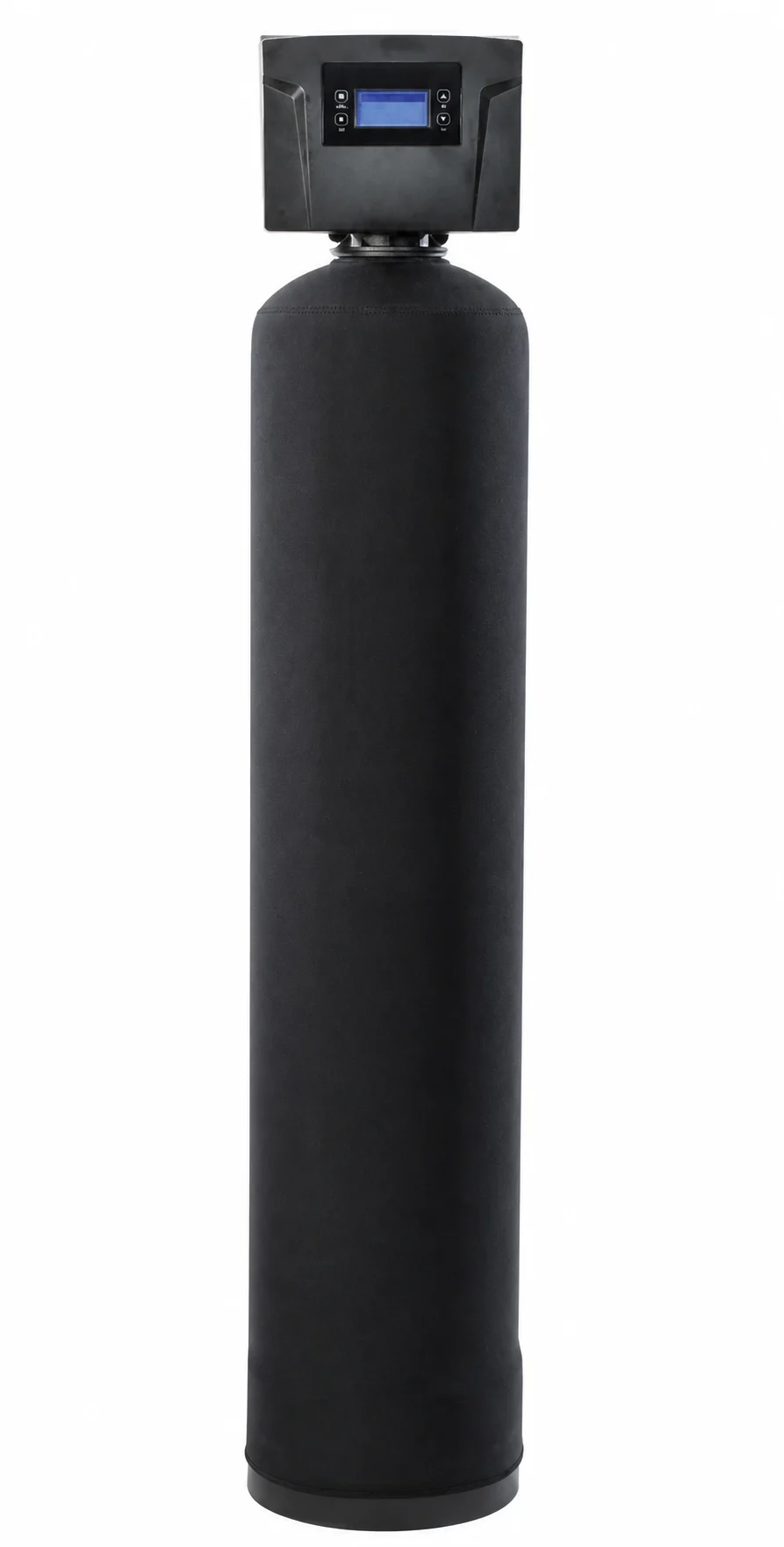
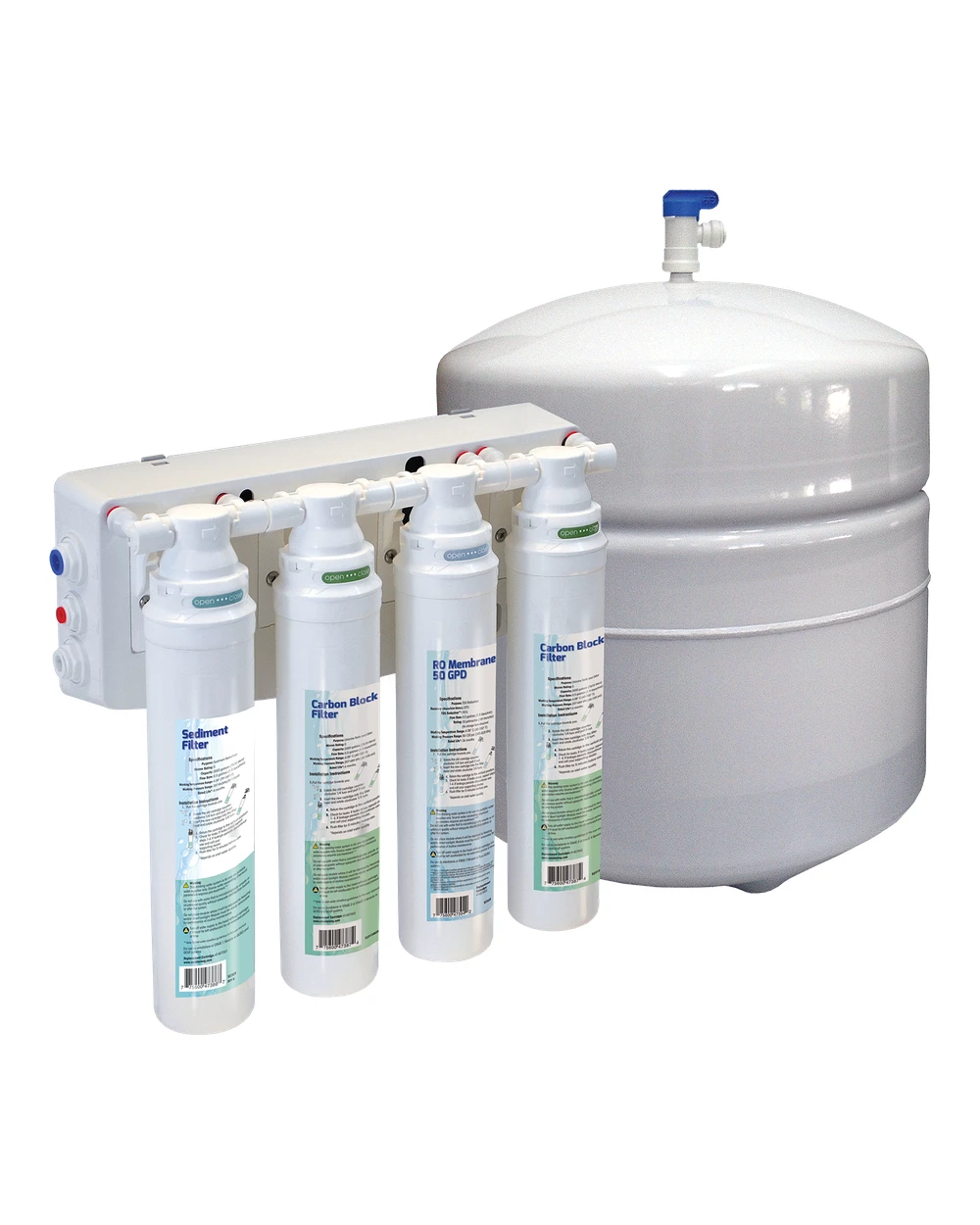
Whole-home catalytic carbon for the reported chlorine. Kitchen reverse osmosis is optional for drinking and cooking water. No softener based on this hardness result.

Whole-home catalytic carbon
Whole-home catalytic carbonFor the chlorine reported throughout the house
Optional reverse osmosis
Optional reverse osmosisFor drinking and cooking water at the kitchen sink
Get my written plan and price
What this does for your home
  • Less chlorine taste and odor at showers and faucets throughout the house
  • Certified PFOA, PFOS, and lead reduction at the kitchen drinking-water faucet if you choose RO
  • Reduced dissolved sodium in drinking and cooking water if you choose RO
  • No unnecessary softener for water that already tests soft
Source: St. Tammany Parish - River Oaks annual water quality report. PWS ID LA1103180, verifiable in the EPA Safe Drinking Water database →Figures are as published by the system; see the original report for sampling methods and ranges.The published report reviewed for this page does not include a usable PFAS result, so this page does not claim that PFAS are present at this address.Get my written plan and price →

Clear at the faucet does not show you the trip it took.

Before water reaches your glass, it travels through the public distribution system, your service line, and the plumbing inside your house. These are the surfaces people never see.

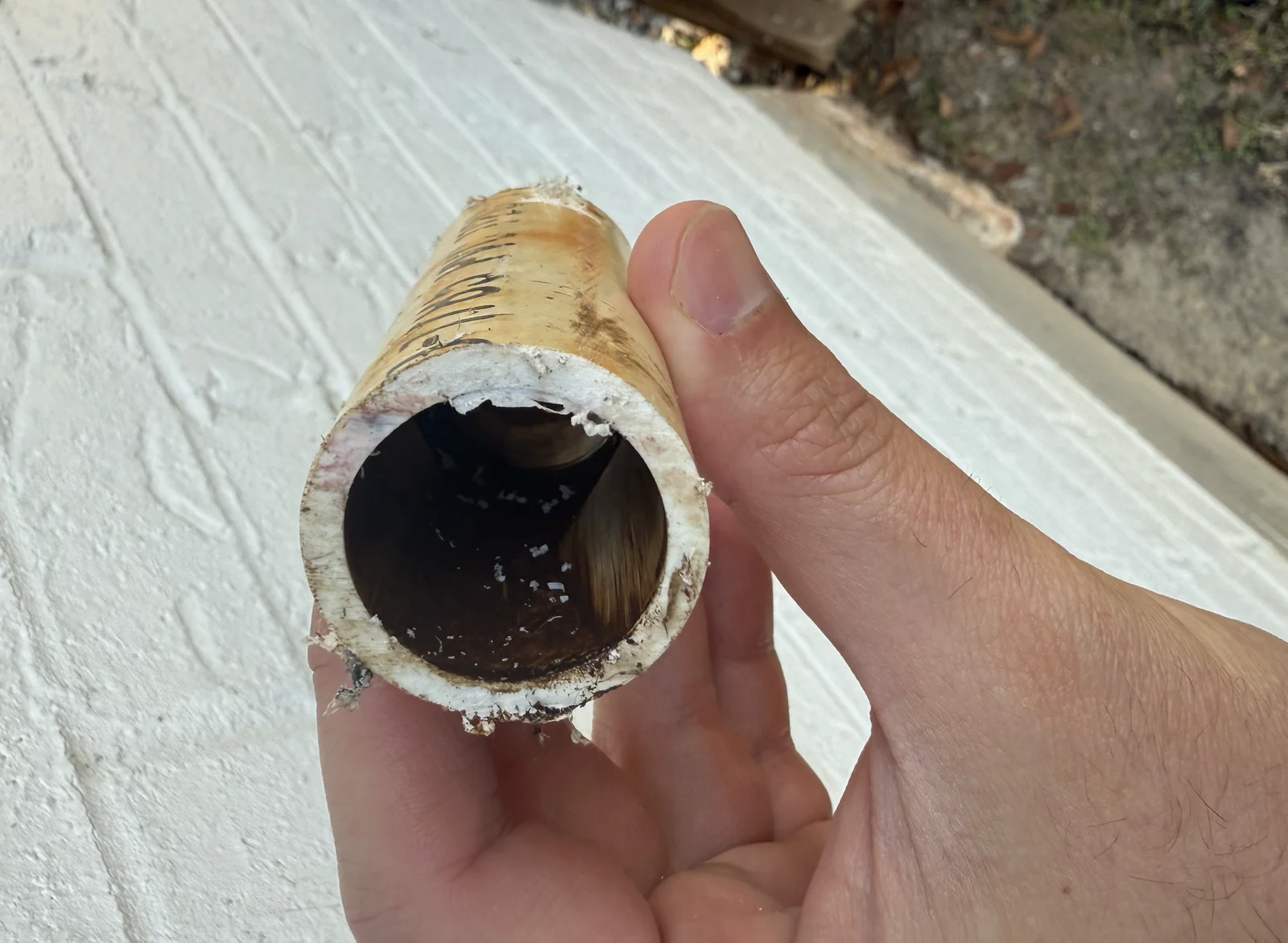
Corroded supply line removed from the founder's Covington home
A corroded supply line removed from Shawn's own Covington home.
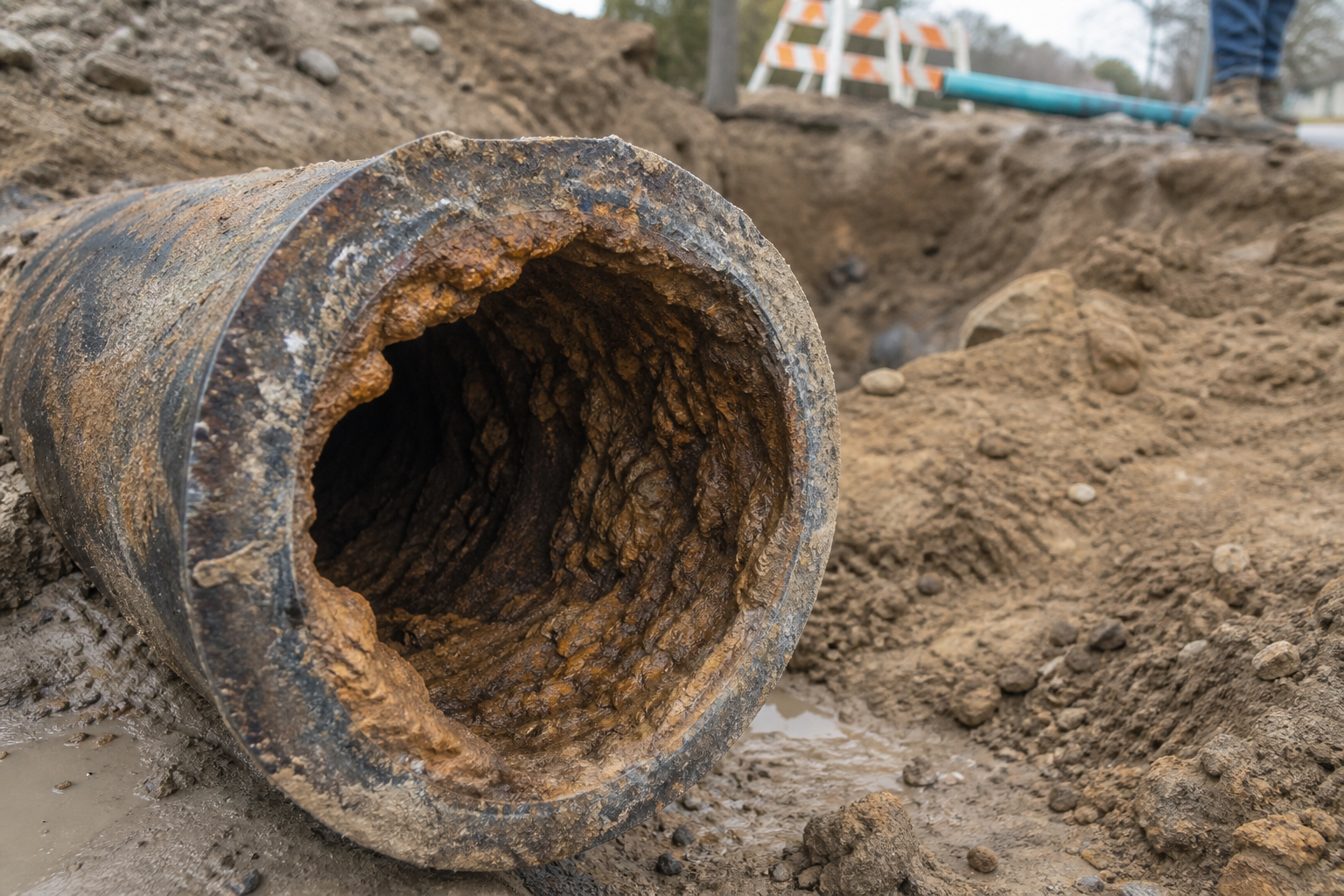
Illustration of rust and mineral accumulation inside an aging municipal water main
What decades of rust and mineral accumulation can look like inside an aging main. Photorealistic illustration.

You cannot replace every pipe between the source and your faucet. You can put a final treatment barrier where the water enters your home and at the faucet used for drinking.

Get the written plan for River Oaks

Enter your name, phone, and email. If your address matches this report, we will email your recommendation, options, and standard installed price in minutes.

The public recordNo violations on record

The River Oaks system has a clean record. EPA shows no drinking-water violations as of August 2026. A recent state sanitary survey noted a minor source item, which is not a violation.

EPA ECHO. Public records, current as of August 2026. They update quarterly. Operators: contact us to correct an error.

What this means at your house

River Oaks is supplied by groundwater from River Oaks Well 1. The 2025 report lists chlorine averaging 1.7 ppm with a 0.65 to 3.53 ppm range, hardness at 0.2 grains per gallon, sodium at 101 mg/L, and total trihalomethanes at 33 ppb. EPA records show no current drinking-water violations for this system.

Catalytic carbon is the whole-home treatment we recommend for the reported chlorine. Kitchen reverse osmosis serves a different purpose: the certified system reduces PFOA, PFOS, and lead at the drinking-water faucet, and reverse osmosis also reduces the sodium reported here. The very low hardness result is why a softener stays out of the recommendation.

Get the report for your exact address

Tell us your address and we will pull the report for the water system that serves it. You get our recommendation and the price in writing before any work starts, and a licensed plumber handles the install.

Get my written plan and price

Nearby in Covington

← All neighborhood water reports

Report notes: Symptoms vary by person and home, and the annual report does not diagnose skin conditions or test the plumbing inside your house. It does not include a usable PFAS result, so no River Oaks PFAS level is claimed here. River Oaks includes more than one water service area; we verify the system serving your address before quoting.

Call us