Penn Mill Lakes water, in plain English

Covington, St. Tammany Parish · PWS ID LA1103185

The short answer

Penn Mill Lakes water is soft, about 0.1 grains, chloramine-disinfected groundwater. The fix for this system: a whole-home catalytic carbon filter plus reverse osmosis at the kitchen sink.

Penn Mill Lakes water carries chloramine at 1.5 parts per million, and it tests soft at 2.4 milligrams per liter, about 0.1 grains. The white film on glasses and fixtures here is dissolved mineral left behind as water dries, and a softener is not what removes it.

Beneath the surface

Your water reportPenn Mill Lakes

Magnolia - Penn Mill Lakes (CSWR) · PWS ID LA1103185 · 2025 water quality report

chloramine, 1.5 ppm, disinfectant at swimming pool levels · The pool taste and smellCatalytic carbon takes it out
dissolved minerals the water carries · White film on glasses and fixturesReverse osmosis handles it at the kitchen tap
The film on your glasses and fixtures is the part people ask about first. The numbers above are your system's published results. What we'd install follows from them, and from what you want fixed.

Water system boundaries interlock around here, so we confirm yours by address before we quote anything.

What we'd install

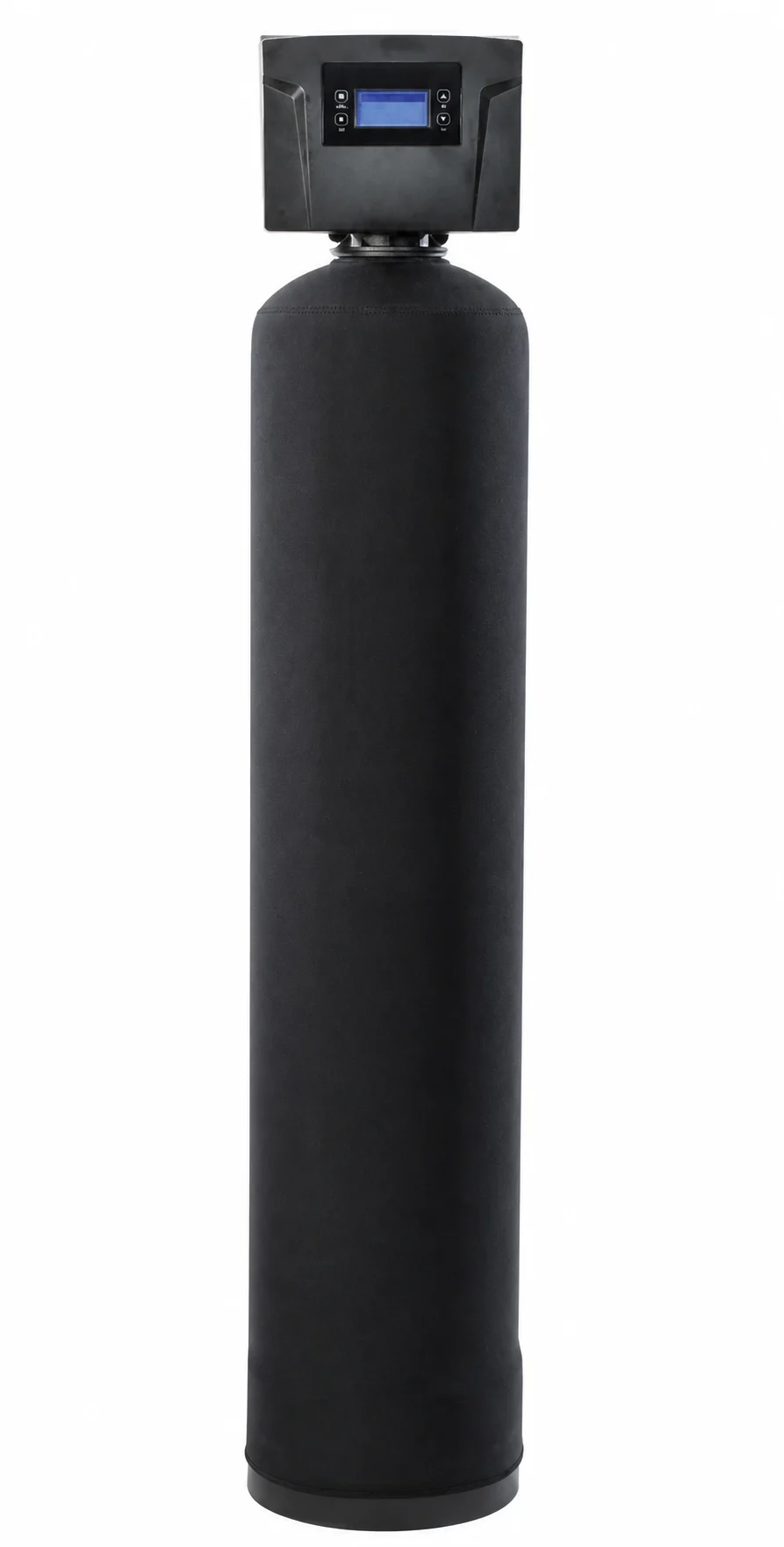
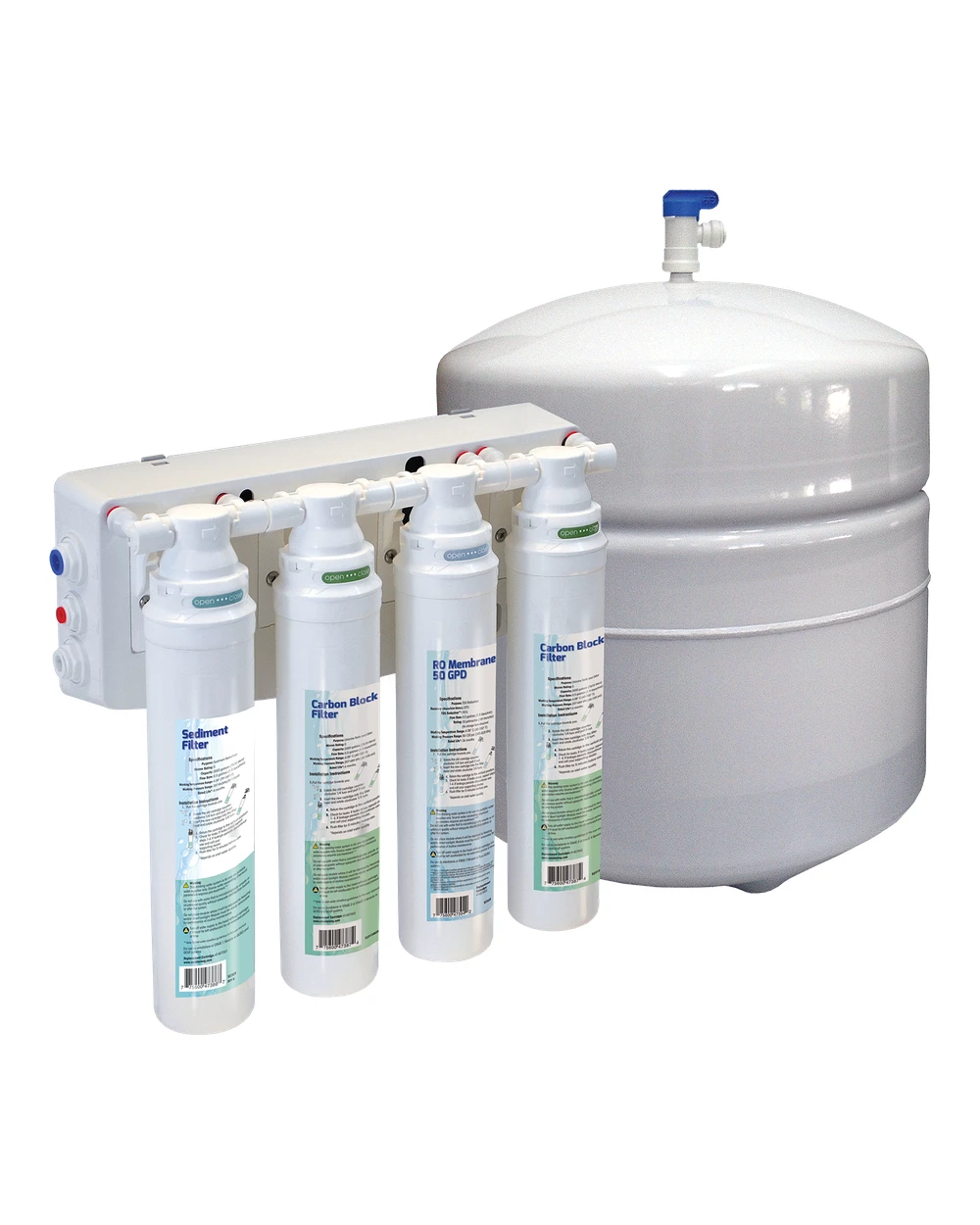
Based on the report, whole-home catalytic carbon for the chloramine at every tap. Reverse osmosis at the kitchen sink is in this package for the film: it is the piece that clears the glasses you rinse at that tap, and drinking water and coffee come with it.

Whole-home catalytic carbon
Whole-home catalytic carbonCleans every tap in the house
Reverse osmosis
Reverse osmosisDrinking water at the kitchen sink
Get my written plan and price
What this does for your home
  • Easier on the rubber seals, gaskets, and hoses inside your appliances
  • No chloramine taste or smell in your coffee, tea, and ice
  • Spot-free glasses from the kitchen tap
  • Bottled-quality drinking water on tap for pennies a gallon
Cutaway of a water heater with sediment settled at the bottom
Easier on the parts that wear out

Sediment settles in your water heater and lowers its efficiency, and chlorine and chloramine embrittle the rubber seals, gaskets, and hoses inside your appliances over time. Filtering the whole house is gentler on all of it.

U.S. Dept. of Energy Energy Saver; ASTM D6284.
Source: Magnolia - Penn Mill Lakes (CSWR) annual water quality report.PWS ID LA1103185, verifiable in the EPA Safe Drinking Water database →Figures are as published by the system; see the original report for sampling methods and ranges.Get my written plan and price →

Get the written plan for Penn Mill Lakes

Enter your name and number and we'll text you to confirm your address, then prepare the written recommendation and exact price for this water.

The public recordNo violations on record

This Magnolia Water system (Penn Mill Lakes) has a clean violation record. EPA shows no drinking-water violations as of August 2026. Its operator, Magnolia Water, is under a Louisiana Public Service Commission investigative audit of its billing and service practices, due February 2027.

EPA ECHO · LPSC Docket U-37584. Public records, current as of August 2026. They update quarterly. Operators: contact us to correct an error.

What this means at your house

Your water arrives with chloramine in it, at 1.5 parts per million. That is the disinfectant the Penn Mill Lakes system uses, and it is what people taste in coffee, in ice, and in the first glass of the day. For context, swimming pools are kept between 1 and 3 parts per million of chlorine, and this water's disinfectant level lands in that same range. Chloramine does not gas off in a pitcher the way chlorine does, so catalytic carbon is the piece that takes it out, at every tap in the house.

The white film on glasses and fixtures is dissolved mineral left behind as water dries. In this system's published report that shows up as sodium at 72.4 milligrams per liter and a pH of 8.91. On the pH scale, where 7 is neutral, 8.91 leans toward the baking-soda end, and alkaline water leaves its minerals behind as it dries. Reverse osmosis at the kitchen sink gives you clean drinking water and spot-free glasses at that tap.

This is soft water. Hardness tests at 2.4 milligrams per liter, about 0.1 grains, and for a family using around 300 gallons a day that puts a couple of pounds of dissolved rock through the house in a year. Genuinely hard water runs well past a hundred pounds a year, and that difference is why a softener is not in the package for this neighborhood.

The water here is groundwater, pumped from Penn Mill Lakes Well 1.

How the report becomes the recommendation

Each finding decides a piece of the package, including the pieces we leave out.

The report showsAt your houseThe answerWhy that one
Chloramine at 1.5 ppmThe taste and smell in coffee, ice, and the first glass of the dayWhole-home catalytic carbonChloramine holds together inside plain carbon. Catalytic carbon is processed to break it apart.
Dissolved solids, sodium at 72.4 milligrams per literWhite film on glasses and fixturesReverse osmosis at the kitchen sinkThe membrane takes dissolved solids out, and the kitchen tap is where you taste them.
Hardness at 0.1 grains, softNo scale problem to fixNo softenerThe resin would have nothing to grab, so it stays out of the quote.

Water system boundaries interlock around here, so we confirm yours by address before we quote anything.

Get the report for your exact address

Tell us your address and we will pull the report for the water system that serves it. You get our recommendation and the price in writing before any work starts, and a licensed plumber handles the install.

Get my written plan and price

Nearby in Covington

← All neighborhood water reports

Call us