French Quarter and the Marigny water, explained
New Orleans, Orleans Parish · PWS ID LA1071009
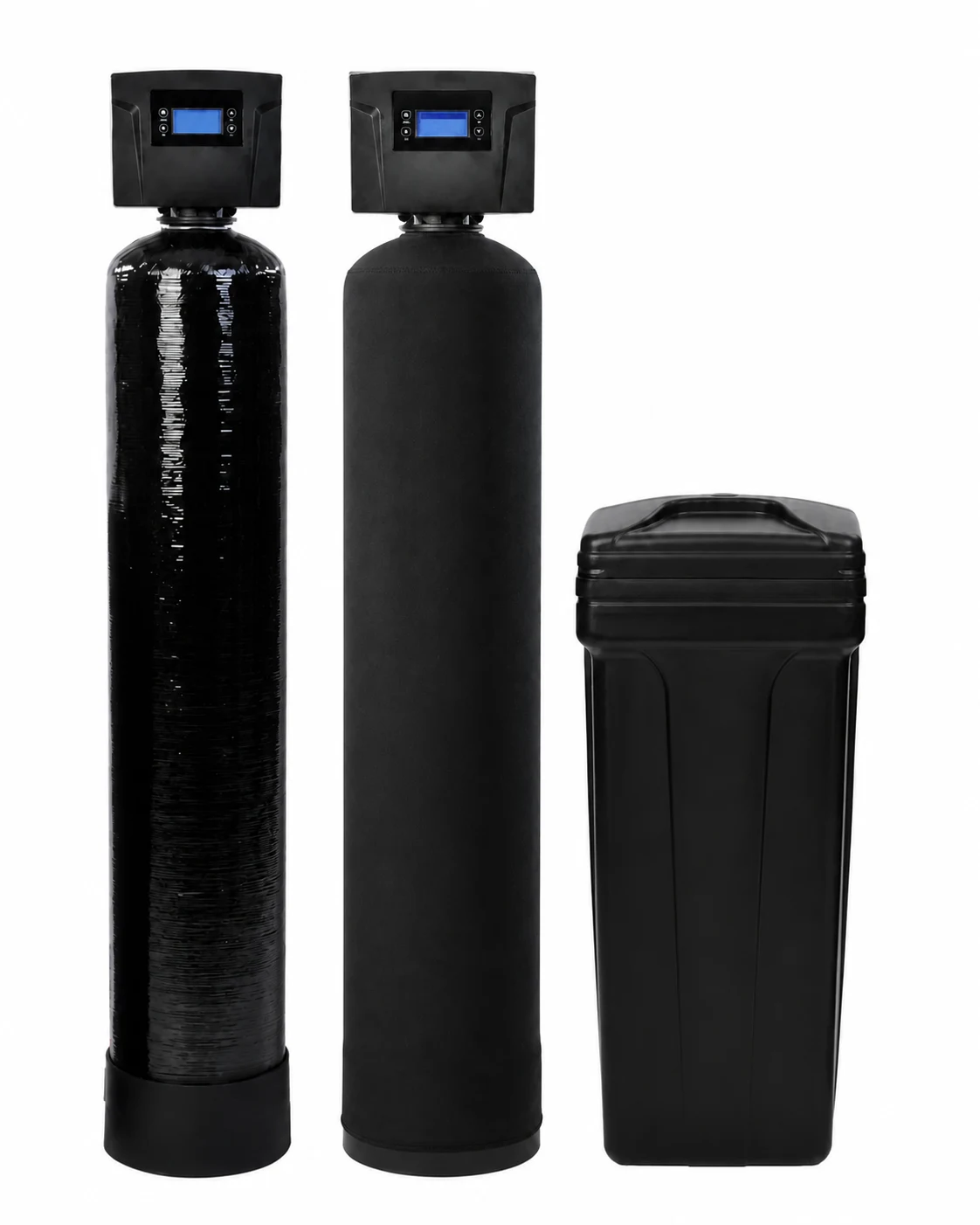
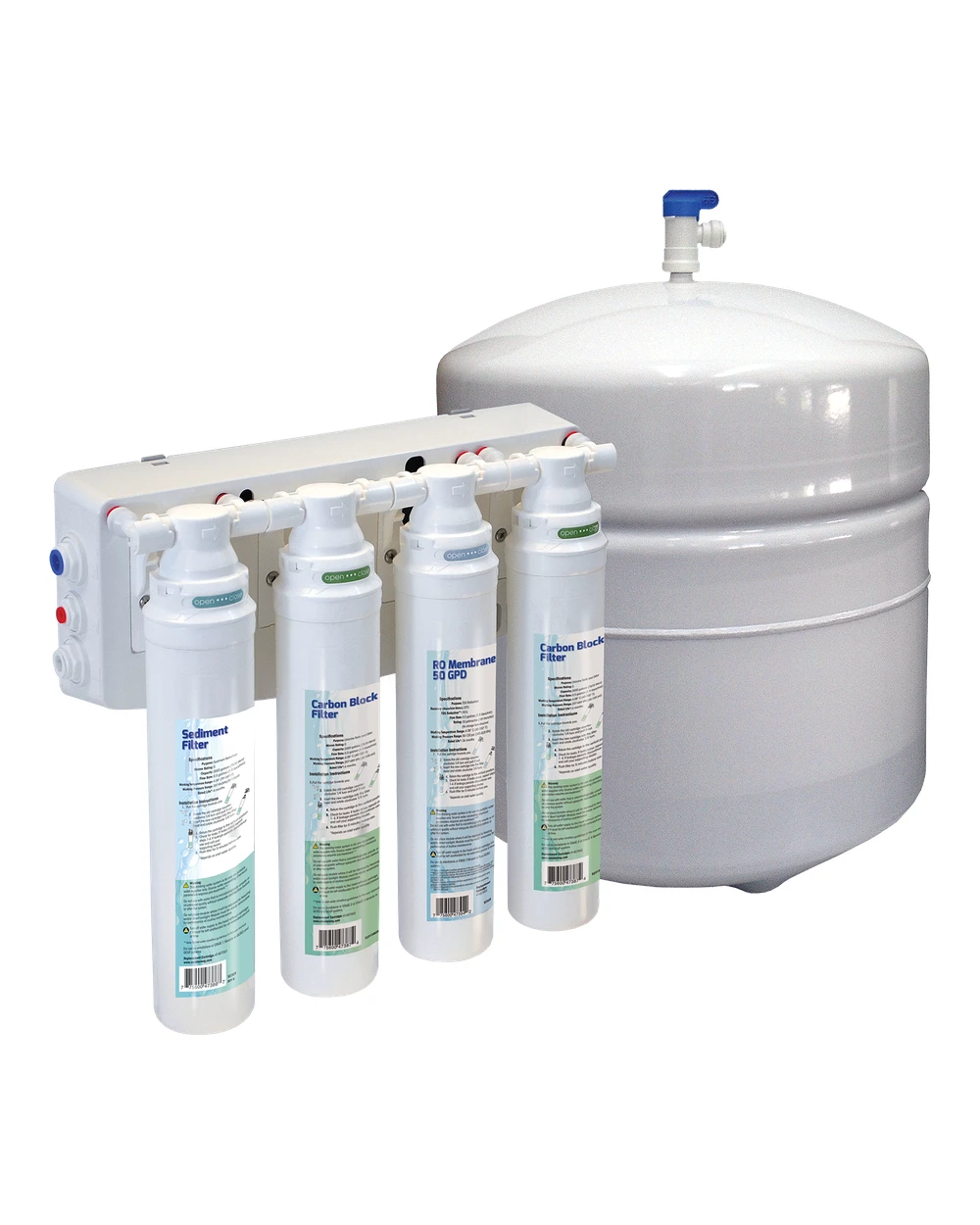
Water in French Quarter and the Marigny is hard, about 5.9 grains per gallon, chloramine-disinfected Mississippi River water. The recommendation for this water: a dedicated water softener and a separate whole-home catalytic carbon filter plus optional reverse osmosis at the kitchen sink.
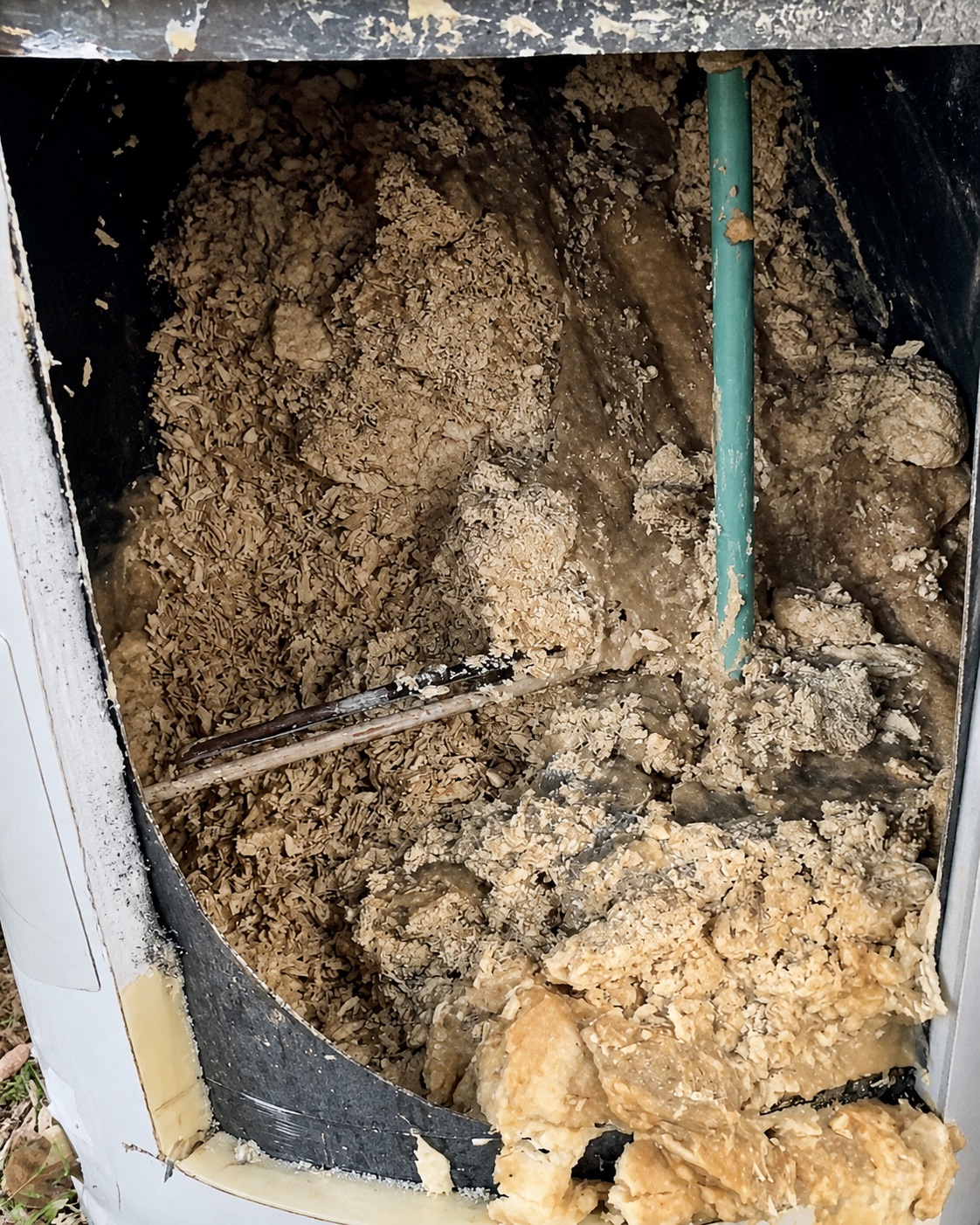
The scale on faucets, shower glass, and inside water heaters starts with the hardness in this water. Water in French Quarter and the Marigny is treated Mississippi River water. It tests hard at 100.7 milligrams per liter, about 5.9 grains per gallon, and carries chloramine at 3.3 parts per million. At typical household use, that moves roughly 92 pounds of hardness minerals through the house each year. Those minerals react with soap and collect as scale anywhere water is heated or allowed to dry. For perspective, chloramine in drinking water typically runs from 0.5 to 2 parts per million. This reported level is above that range and equals about 83% of the federal maximum. Unless a pitcher or refrigerator filter specifically lists chloramine reduction, do not assume it removes it. A softener handles the hardness. It does not remove chloramine. That requires a separate catalytic-carbon tank.
The scale on faucets, shower glass, and inside water heaters starts with the hardness in this water. Water in French Quarter and the Marigny is treated Mississippi River water.
Why this is the recommendation
The scale on faucets, shower glass, and inside water heaters starts with the hardness in this water. Water in French Quarter and the Marigny is treated Mississippi River water. It tests hard at 100.7 milligrams per liter, about 5.9 grains per gallon, and carries chloramine at 3.3 parts per million. At typical household use, that moves roughly 92 pounds of hardness minerals through the house each year. Those minerals react with soap and collect as scale anywhere water is heated or allowed to dry. For perspective, chloramine in drinking water typically runs from 0.5 to 2 parts per million. This reported level is above that range and equals about 83% of the federal maximum. Unless a pitcher or refrigerator filter specifically lists chloramine reduction, do not assume it removes it. A softener handles the hardness. It does not remove chloramine. That requires a separate catalytic-carbon tank.