What's in Villages of Bocage water

Madisonville, St. Tammany Parish · PWS ID LA1103195

The short answer

Villages of Bocage water is soft, about 0.3 grains per gallon, chloramine-disinfected water, bought wholesale from a neighboring system. The recommendation for this water: a sediment prefilter when suspended material is confirmed at the house, a whole-home catalytic carbon filter, plus optional reverse osmosis at the kitchen sink.

Chloramine is easier to miss than chlorine because its smell is less obvious. Villages of Bocage water carries chloramine at 1.3 parts per million, and it tests soft at 5.8 milligrams per liter, about 0.3 grains per gallon. For perspective, chloramine in drinking water typically runs from 0.5 to 2 parts per million. At 1.3 parts per million, this system is in the upper half of that range. Unless a pitcher or refrigerator filter specifically lists chloramine reduction, do not assume it removes it.

Chloramine is easier to miss than chlorine because its smell is less obvious. 3 grains per gallon.

Why this is the recommendation

Chloramine is easier to miss than chlorine because its smell is less obvious. Villages of Bocage water carries chloramine at 1.3 parts per million, and it tests soft at 5.8 milligrams per liter, about 0.3 grains per gallon. For perspective, chloramine in drinking water typically runs from 0.5 to 2 parts per million. At 1.3 parts per million, this system is in the upper half of that range. Unless a pitcher or refrigerator filter specifically lists chloramine reduction, do not assume it removes it.
What you may notice in your waterBeneath the surfaceWhat gets your attention?
Why it is easy to miss

Chloramine can be present without a strong smell

The report confirms chloramine in this water even if you do not notice the obvious pool smell associated with chlorine. Ordinary pitcher and refrigerator filters should not be assumed to reduce it unless chloramine is specifically listed.

  • A faint chemical taste or odor, or no obvious warning at all
  • Skin that feels tight or dry afterward
  • Hair that feels dry or harder to manage
  • Water, coffee, or tea that tastes off
What Villages of Bocage reports

More than one number matters

  • chloramine at 1.3 ppm, in the upper half of the typical range
  • hardness at 0.3 grains per gallon

Source: Villages of Bocage - Madisonville · 2025 water quality report · PWS ID LA1103195

What this report does not rule out

PFAS cannot be seen, smelled, or tastedPFAS are a large family of long-lasting manufactured chemicals. They are often called “forever chemicals” because they break down very slowly.

This report does not include a usable PFAS result. No result is not the same as no PFAS. Certified kitchen reverse osmosis reduces PFOA and PFOS in the water used for drinking and cooking.

Your water report

Your water reportVillages of Bocage

Villages of Bocage - Madisonville · PWS ID LA1103195 · 2025 water quality report

chloramine at 1.3 ppm, in the upper half of the typical range · Made to last longer and often less noticeable than chlorineCatalytic carbon removes it throughout the house
hardness at 0.3 grains per gallon · Already soft water, with no hardness problem to treatNo softener recommended
Chloramine is made by combining chlorine with ammonia. It lasts longer than chlorine and can be much less obvious at the tap. Everything here is published data for this water. The recommendation follows from it.

Water system boundaries interlock around here, so we confirm yours by address before we quote anything.

What we'd install

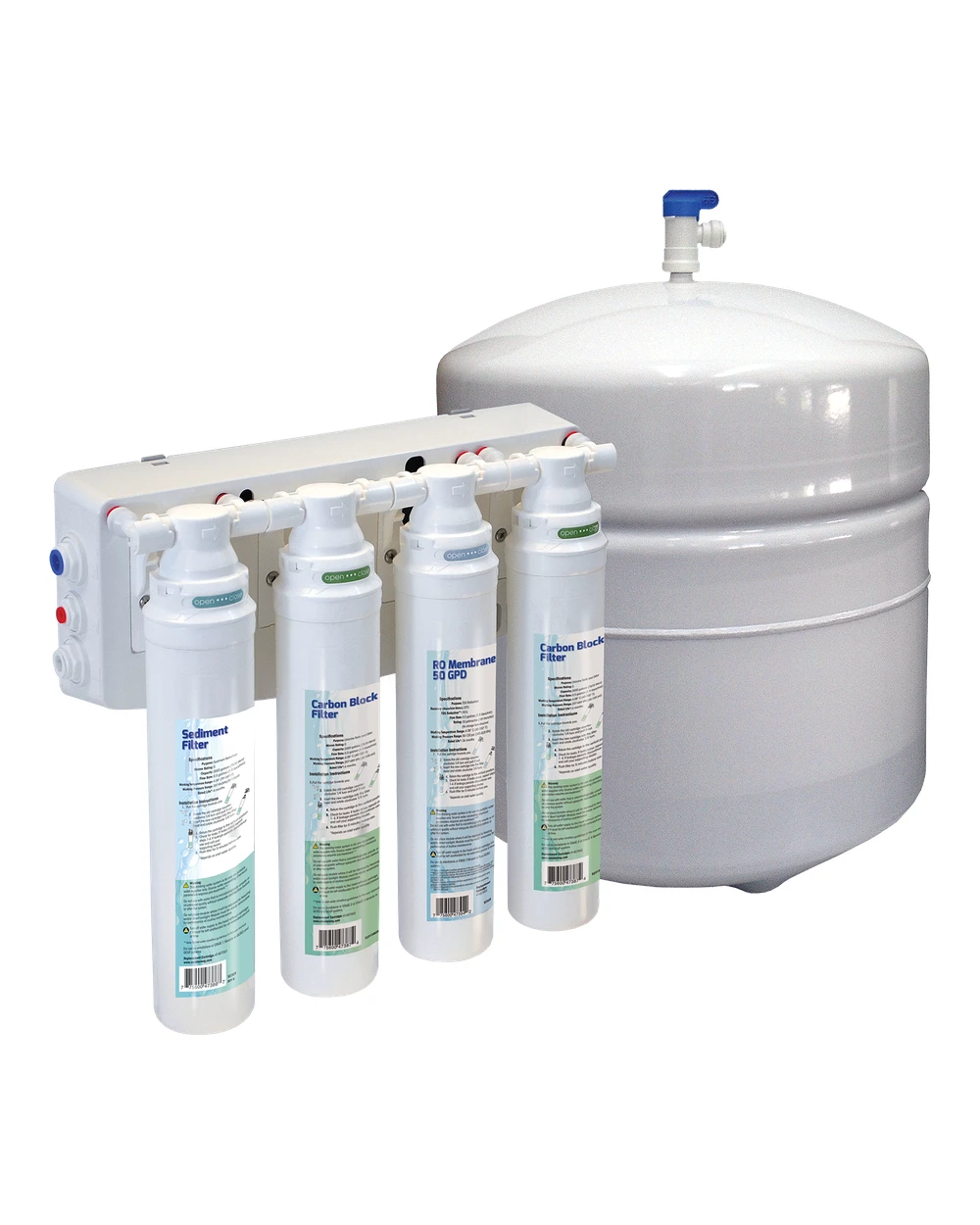
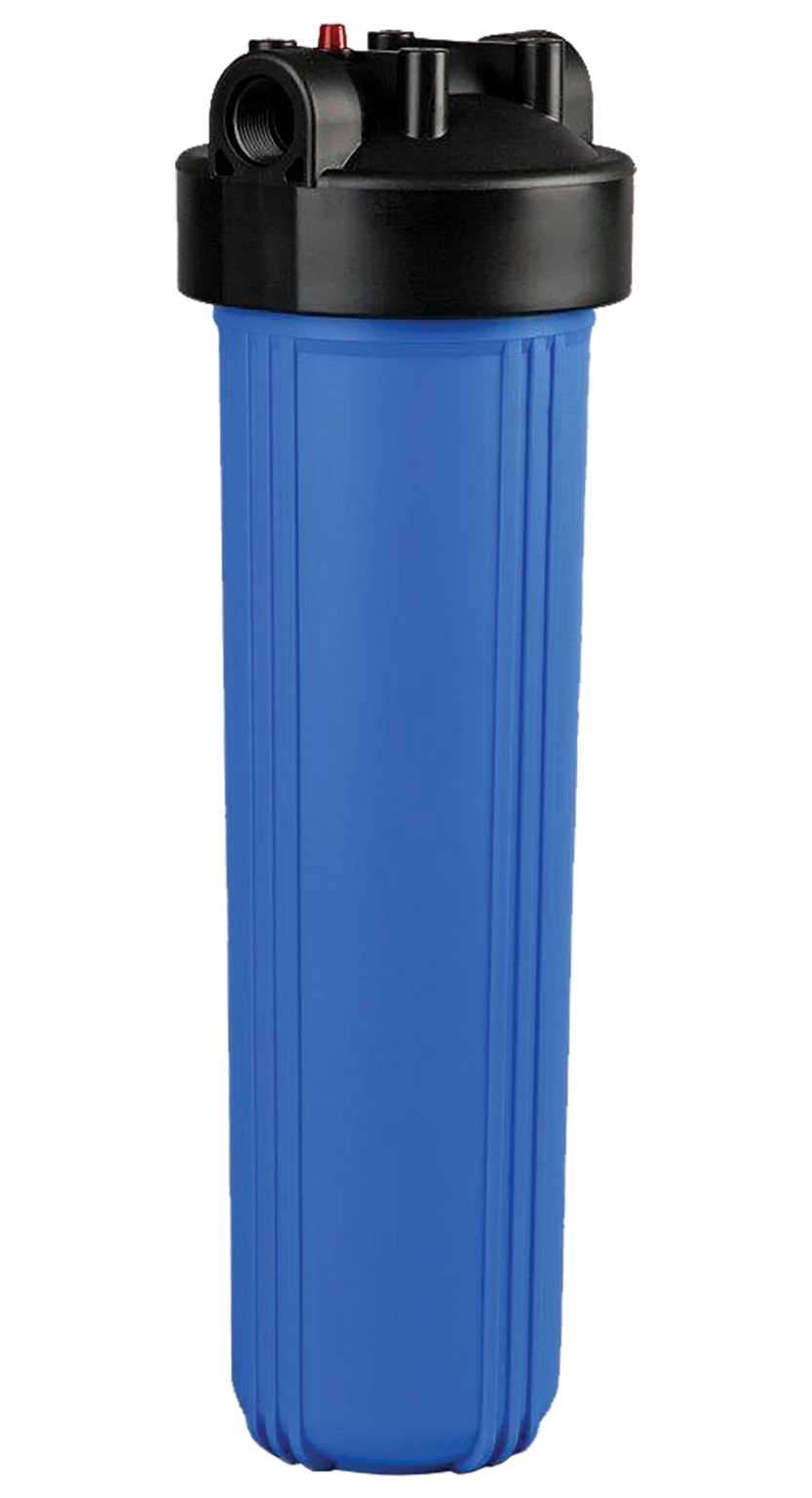
Based on the report, whole-home catalytic carbon for the chloramine at every tap. Sediment can vary house to house in the Madisonville area. If we find grit or suspended material at your tap, a whole-home sediment prefilter goes first in the treatment line. Reverse osmosis at the kitchen sink is optional, for drinking water and coffee. The whole-house recommendation remains the catalytic-carbon system either way.

Sediment prefilter
Sediment prefilterAdded when grit or suspended material is present
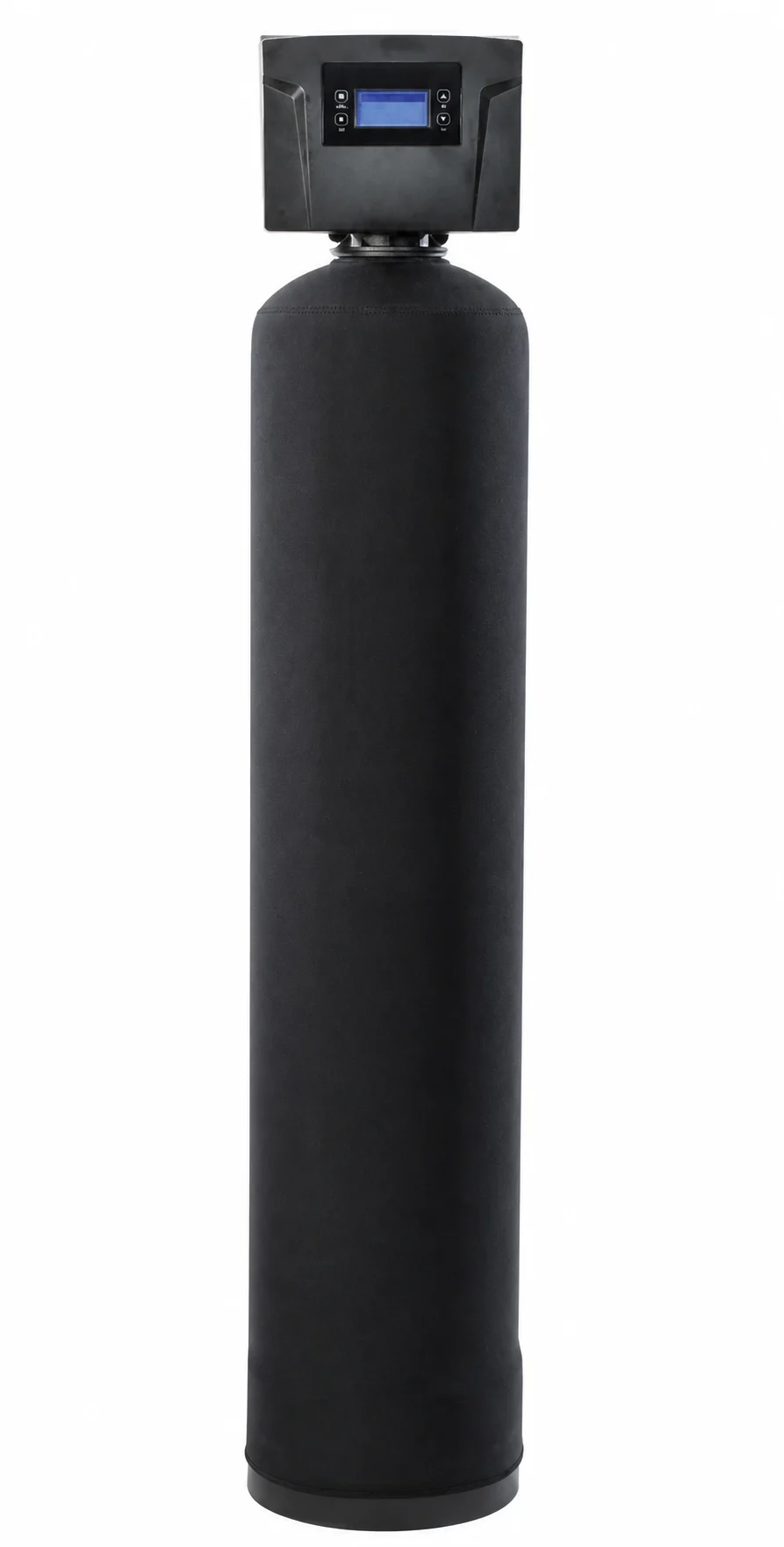
Whole-home catalytic carbon
Whole-home catalytic carbonCleans every tap in the house
Reverse osmosis
Reverse osmosisDrinking water at the kitchen sink
Get my written plan and price
What this does for your home
  • Reduces chloramine throughout the house, including showers and the water used for coffee, tea, and cooking
  • No unnecessary softener for water that already tests soft
  • Filtered drinking water from its own kitchen faucet
Cutaway of a water heater with sediment settled at the bottom
Easier on the parts that wear out

Sediment settles in your water heater and lowers its efficiency, and chlorine and chloramine embrittle the rubber seals, gaskets, and hoses inside your appliances over time. Filtering the whole house is gentler on all of it.

U.S. Dept. of Energy Energy Saver; ASTM D6284.
Source: Villages of Bocage - Madisonville annual water quality report. PWS ID LA1103195, verifiable in the EPA Safe Drinking Water database →Figures are as published by the system; see the original report for sampling methods and ranges.The published report reviewed for this page does not include a usable PFAS result, so this page does not claim that PFAS are present at this address.Get my written plan and price →

Clear at the faucet does not show you the trip it took.

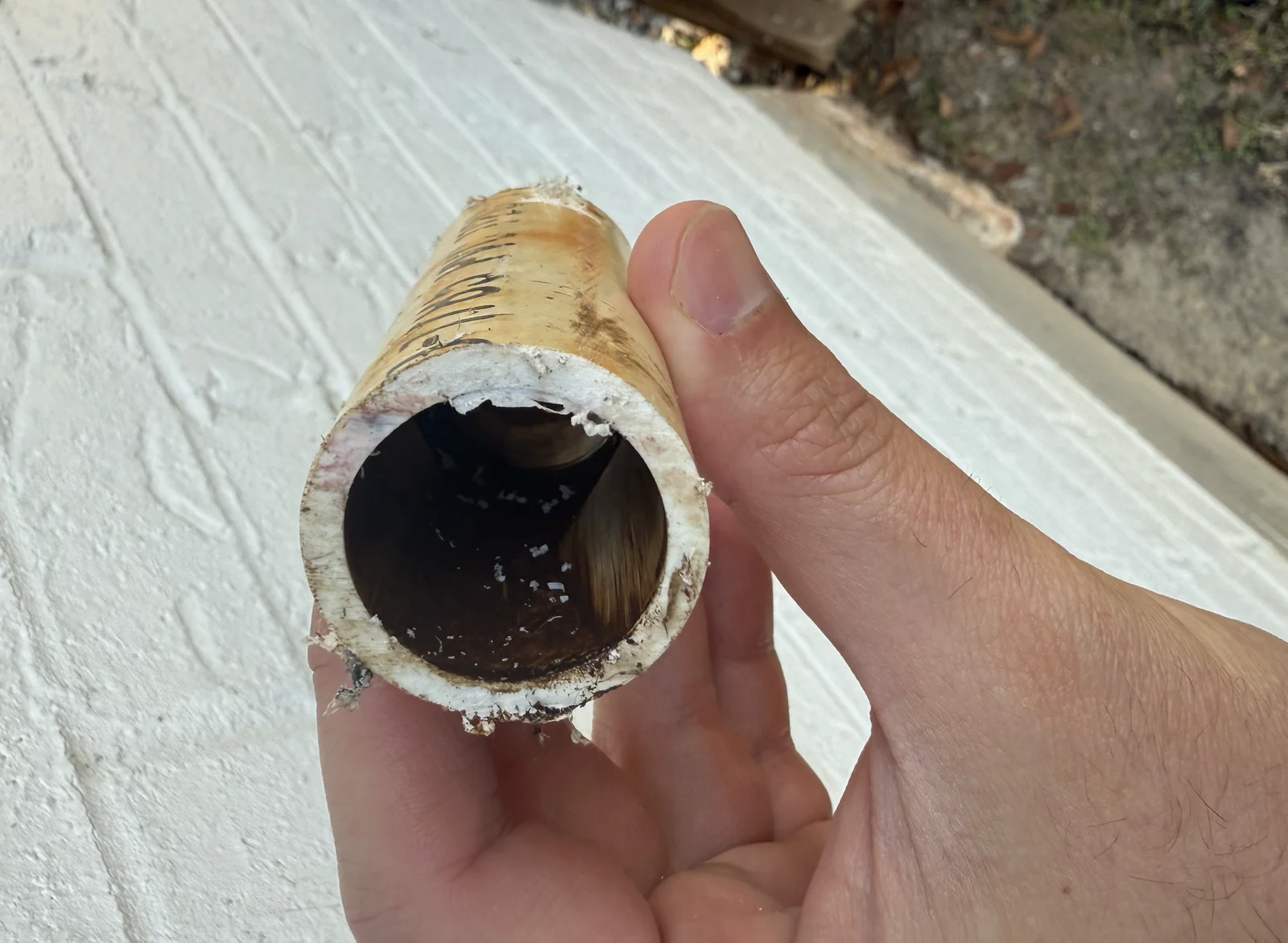
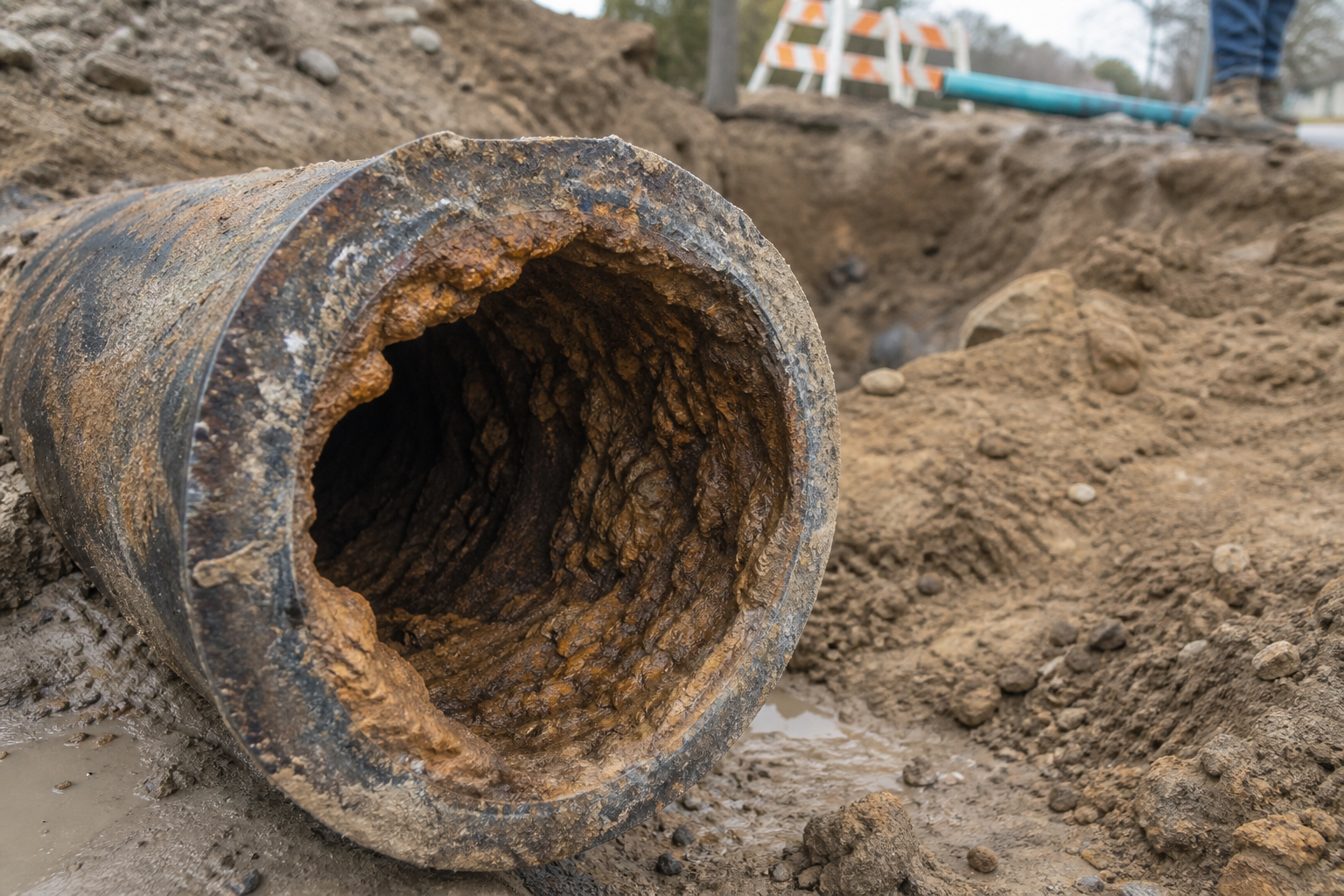
Before water reaches your glass, it travels through the public distribution system, your service line, and the plumbing inside your house. These are the surfaces people never see.

Corroded supply line removed from the founder's Covington home
A corroded supply line removed from Shawn's own Covington home.
Illustration of rust and mineral accumulation inside an aging municipal water main
What decades of rust and mineral accumulation can look like inside an aging main. Photorealistic illustration.

You cannot replace every pipe between the source and your faucet. You can put a final treatment barrier where the water enters your home and at the faucet used for drinking.

Get the written plan for Villages of Bocage

Enter your name, phone, and email. If your address matches this report, we will email your recommendation, options, and standard installed price in minutes.

What this means at your house

Your water arrives with chloramine in it, at 1.3 parts per million. Utilities make chloramine by combining chlorine with ammonia so it remains effective farther through the distribution system. It can be less obvious than chlorine: some people notice a faint chemical taste or odor, while others notice nothing at all. Ordinary pitcher and refrigerator filters should not be assumed to reduce it unless chloramine is specifically listed. Catalytic carbon reduces it before the water reaches the house.

This is soft water. Hardness tests at 5.8 milligrams per liter, about 0.3 grains, and for a family using around 300 gallons a day that puts roughly 5 pounds of dissolved rock through the house in a year. Genuinely hard water runs well past a hundred pounds a year, and that difference is why a softener is not in the package for this neighborhood.

This system does not pump its own water. It buys it wholesale from Tangipahoa Parish Water District.

How the report becomes the recommendation

Each finding decides a piece of the package, including the pieces we leave out.

The report showsAt your houseThe answerWhy that one
Possible sediment after utility treatmentGrit in aerators, toilet tanks, and small valvesSediment prefilter when confirmed at the houseSediment can enter from mains, service lines, or home plumbing, so the annual report cannot tell us whether your house needs this stage.
Chloramine at 1.3 ppmThe taste and smell in coffee, tea, and the first glass of the dayWhole-home catalytic carbonChloramine holds together inside plain carbon. Catalytic carbon is processed to break it apart.
Hardness at 0.3 grains per gallon, softNo scale problem to fixNo softenerThe resin would have nothing to grab, so it stays out of the quote.

Water system boundaries interlock around here, so we confirm yours by address before we quote anything.

Get the report for your exact address

Tell us your address and we will pull the report for the water system that serves it. You get our recommendation and the price in writing before any work starts, and a licensed plumber handles the install.

Get my written plan and price

Nearby in Madisonville

← All neighborhood water reports

It cannot say what is causing dry skin at your house. Hot water, soap, weather, and the disinfectant can all contribute, and the report only establishes that the disinfectant is present.

It cannot speak for the pipes inside your own walls. Lead sampling covers a handful of homes across the whole system, and your service line, solder, and fixtures are yours alone.

It says nothing about sediment at your particular faucet; annual reports do not measure what collects in one house.

Before anything goes on a quote, we ask what you are actually noticing and test whatever the published data cannot answer.

Call us