The public recordInventory-deadline paperwork only
EPA shows a Lead and Copper Rule item for this Utilities Inc. system dated October 2024. This was the federal service-line inventory reporting deadline that thousands of systems nationwide missed. It is a reporting deadline, not lead found in the water, and it was resolved within weeks.
EPA ECHO. Public records, current as of August 2026. They update quarterly. Operators: contact us to correct an error.
What this means at your house
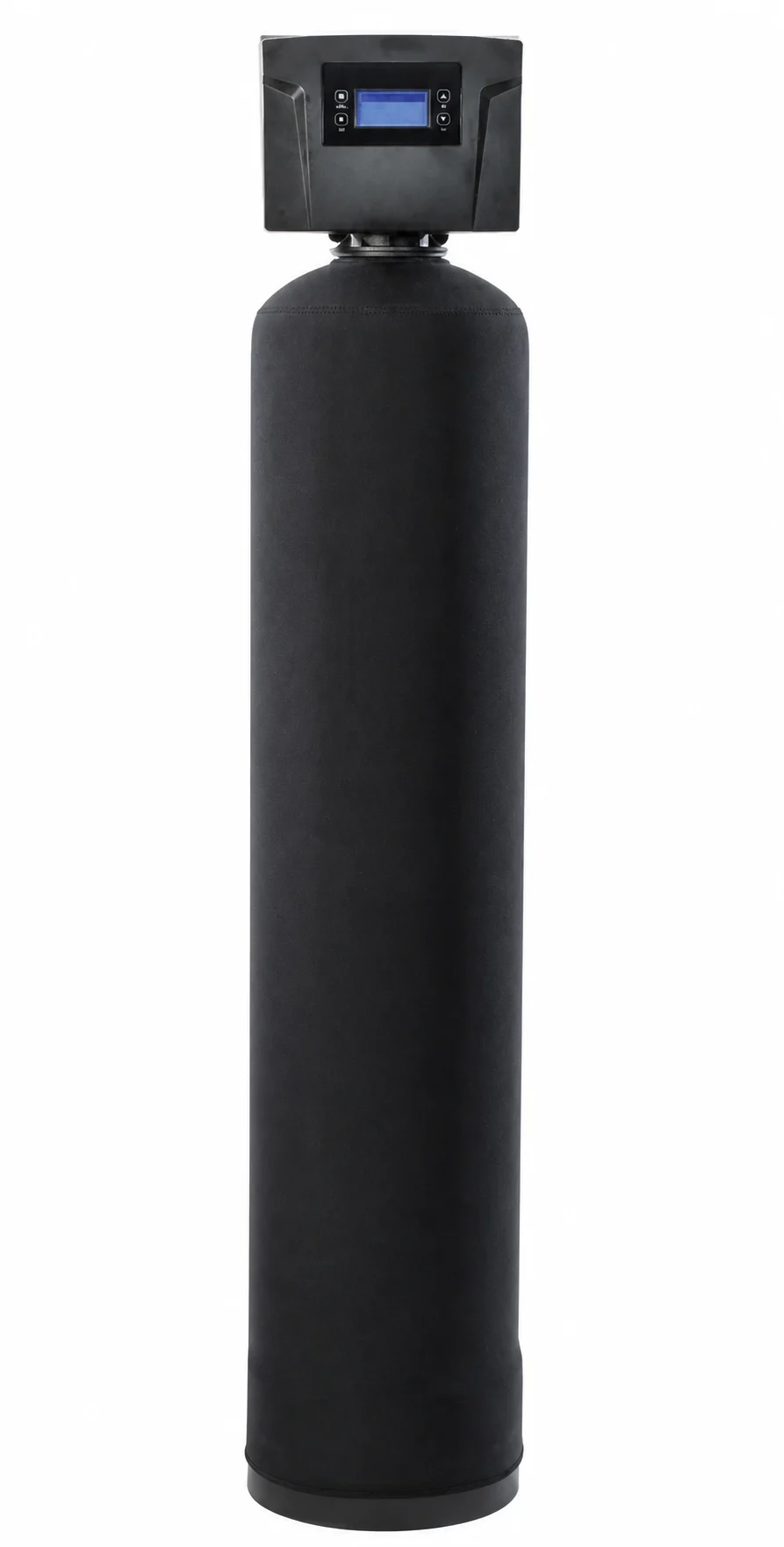
Your water arrives with chlorine in it, at 1.2 parts per million. That is the disinfectant the Hammond Heights system uses, and it is the taste people notice in coffee, in tea, and in the first glass of the day. For perspective, some people can taste or smell chlorine at levels as low as 0.3 parts per million. Catalytic carbon takes it out at every tap in the house.
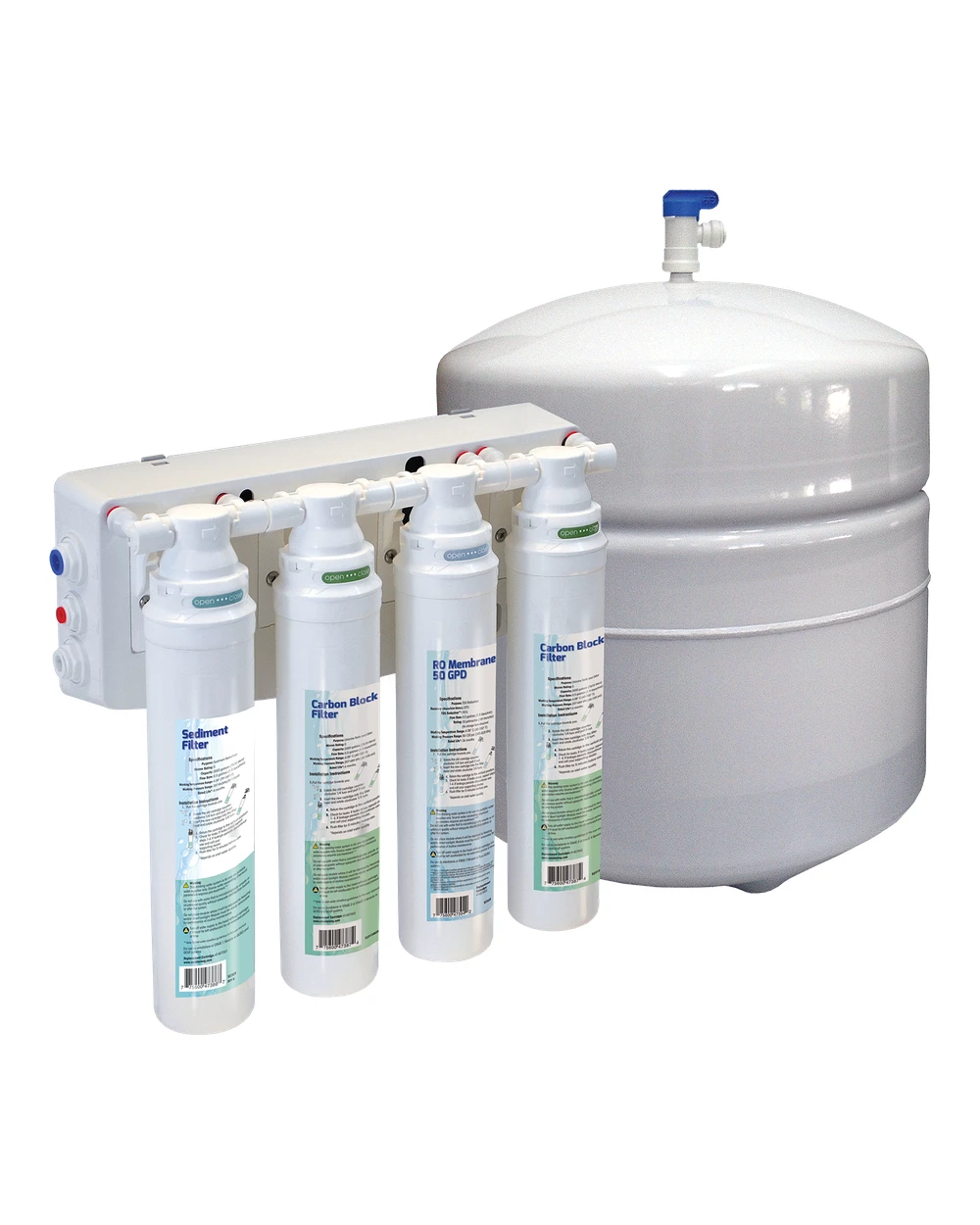
The white film on glasses and fixtures is dissolved mineral left behind as water dries. In this system's published report that shows up as sodium at 161 milligrams per liter and a pH of 9.13. On the pH scale, where 7 is neutral, 9.13 leans toward the baking-soda end, and alkaline water leaves its minerals behind as it dries. Reverse osmosis at the kitchen sink takes the dissolved solids out of your drinking water, and glasses rinsed at that tap dry without the film.
This is soft water. Hardness tests at 3 milligrams per liter, about 0.2 grains, and for a family using around 300 gallons a day that puts roughly 3 pounds of dissolved rock through the house in a year. Genuinely hard water runs well past a hundred pounds a year, and that difference is why a softener is not in the package for this neighborhood.
The water here is groundwater, pumped from the aquifer under your feet. Chlorine also leaves traces behind as it works, called disinfection byproducts. This system's published reading is 20 parts per billion, and the carbon filter reduces those too.
How the report becomes the recommendation
Each finding decides a piece of the package, including the pieces we leave out.
| The report shows | At your house | The answer | Why that one |
|---|
| Chlorine at 1.2 ppm | The taste and smell in coffee, tea, and the first glass of the day | Whole-home catalytic carbon | Chlorine sticks to carbon on contact, and a full-size tank gives the water that contact time. |
| Dissolved solids, sodium at 161 milligrams per liter | White film left where tap water dries | Reverse osmosis at the kitchen sink | The membrane takes dissolved solids out, and the kitchen tap is where you taste them. |
| Hardness at 0.2 grains per gallon, soft | No scale problem to fix | No softener | The resin would have nothing to grab, so it stays out of the quote. |
Water system boundaries interlock around here, so we confirm yours by address before we quote anything.
Get the report for your exact address
Tell us your address and we will pull the report for the water system that serves it. You get our recommendation and the price in writing before any work starts, and a licensed plumber handles the install.
Get my written plan and price
Nearby in Hammond
← All neighborhood water reports